
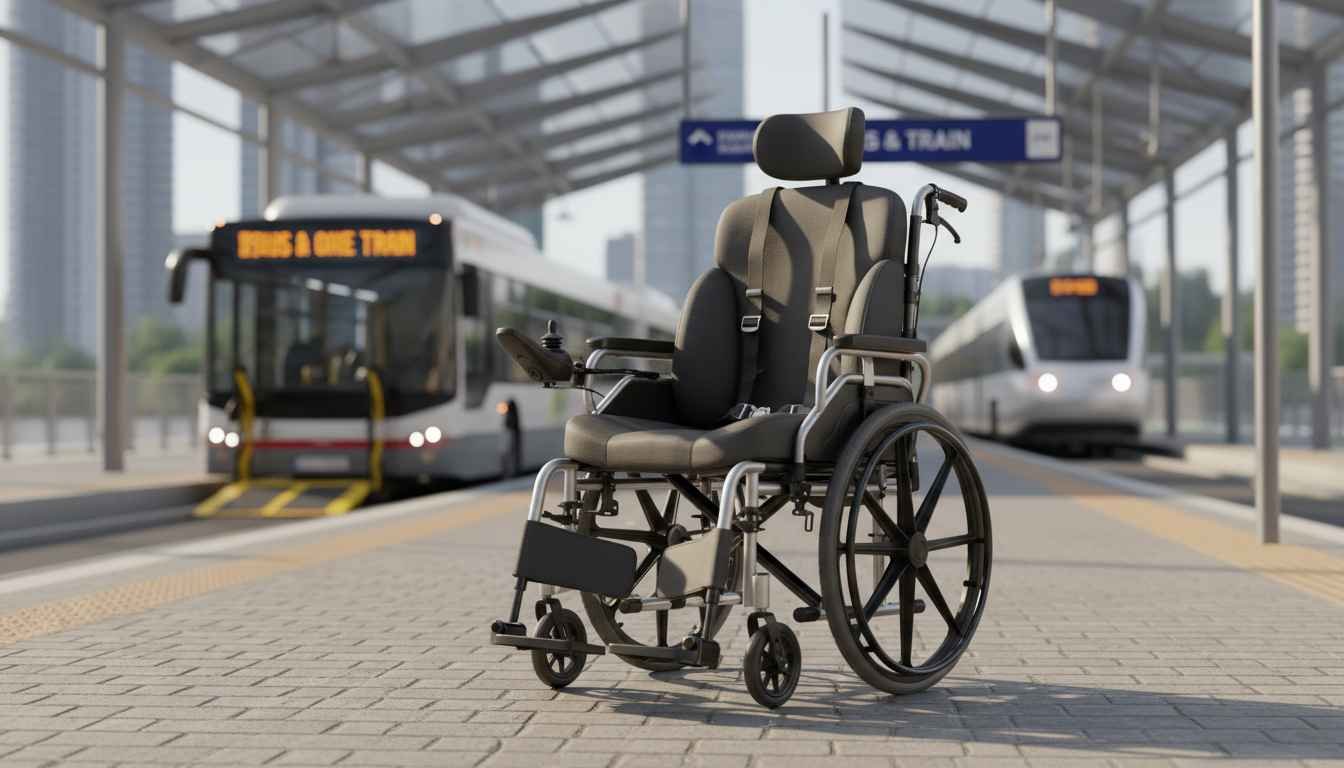
The hum of tires against asphalt fills the air as a gentle breeze carries the faint scent of urban streets. For individuals with mobility challenges, the simple act of getting from point A to point B can evoke both anticipation and concern. This is where bariatric transport wheelchairs play a crucial role, bridging the gap between mobility and independence.
Designed to accommodate higher weight capacities, bariatric transport wheelchairs are reinforced with robust frames, wider seats, and durable wheels that ensure stability during travel. Unlike standard wheelchairs, these models prioritize both comfort and structural integrity, allowing users to navigate spaces safely without compromising dignity or mobility.
Our evaluation of bariatric transport wheelchairs considers multiple factors: weight capacity, ergonomics, maneuverability, and the quality of materials. Extensive testing with diverse users in varied transport environments, including urban streets, public transit, and private vehicles, ensures that the recommended models meet high standards of safety and usability.
One of the standout benefits of these wheelchairs is enhanced comfort. Memory foam or contoured cushions reduce pressure points, while adjustable footrests and arm supports allow for personalized seating positions. Users frequently report improved posture and reduced fatigue during longer trips, a critical factor for those with mobility limitations or chronic conditions.
As urban areas continue to expand and evolve, the need for efficient and safe transportation solutions has become more crucial than ever. Cities are grappling with challenges such as traffic congestion, pollution, and the necessity for reliable public transport systems. In this context, innovative companies are stepping up to address these issues head-on. One such initiative is clearview transport, which focuses on enhancing urban mobility through advanced technologies and strategic planning. By prioritizing safety and efficiency, Clearview aims to create a seamless travel experience for city dwellers while contributing to the sustainability of urban environments. This article explores how their initiatives are shaping the future of urban transportation.
When it comes to moving your belongings, especially in situations involving large or heavy items, selecting the right transport option can make all the difference. With various methods available, each offering unique advantages and drawbacks, it’s essential to understand which choices best suit your needs. In our article on cube transport, we delve into the various options available, ranking them from best to worst based on criteria such as cost, efficiency, and ease of use. Whether you’re planning a move or simply exploring your options, this comprehensive guide will equip you with the knowledge to make informed decisions about your cube transport needs.
In today’s rapidly evolving automotive landscape, businesses are increasingly seeking innovative approaches to stay competitive. One such approach is the adoption of the blue transport business model, which emphasizes sustainability and efficiency while addressing the unique challenges faced by modern operations. This article delves into the various components of the Blue Transport Business Model Canvas, offering insights into how automotive companies can leverage this framework to enhance their operational strategies. By understanding the nuances of this model, businesses can better align their processes with current market demands and consumer expectations, paving the way for future success.
In the ever-evolving landscape of the transportation industry, companies are continuously seeking innovative solutions to enhance their operational efficiency and profitability. One such solution gaining traction is the lease purchase model, which offers a strategic pathway for drivers and fleet operators to own their vehicles while minimizing upfront costs. Specifically, the afc transport lease purchase program stands out for its unique benefits, including flexible payment structures and the opportunity for long-term asset accumulation. Understanding these strategic advantages can empower stakeholders to make informed decisions that align with their financial goals and operational needs, paving the way for sustainable growth in a competitive market.
However, practical deployment also matters. Transporting a bariatric wheelchair requires consideration of vehicle space, ramp strength, and elevator accessibility. Services like Bolt now offer flexible transport options capable of accommodating these specialized wheelchairs, making travel more seamless in urban and suburban areas.
Potential Drawbacks
Despite their advantages, bariatric transport wheelchairs can be heavier and bulkier than standard models, which may make them more challenging to maneuver in tight spaces. Additionally, higher costs may limit access for some users. Regular maintenance is crucial to ensure the durability of reinforced frames and specialized components, and not all transport services can accommodate them comfortably.
Who Should Avoid This?
Individuals with minimal mobility issues or those who only require occasional assistance may find standard wheelchairs more practical. Similarly, environments with limited space or inadequate accessibility infrastructure may pose challenges for bariatric wheelchair users, highlighting the need for proper planning and professional guidance.
In conclusion, bariatric transport wheelchairs represent a vital tool for enhancing mobility and independence. By carefully considering user needs, vehicle compatibility, and professional recommendations, these wheelchairs can transform everyday travel into a safe, comfortable, and dignified experience.
