
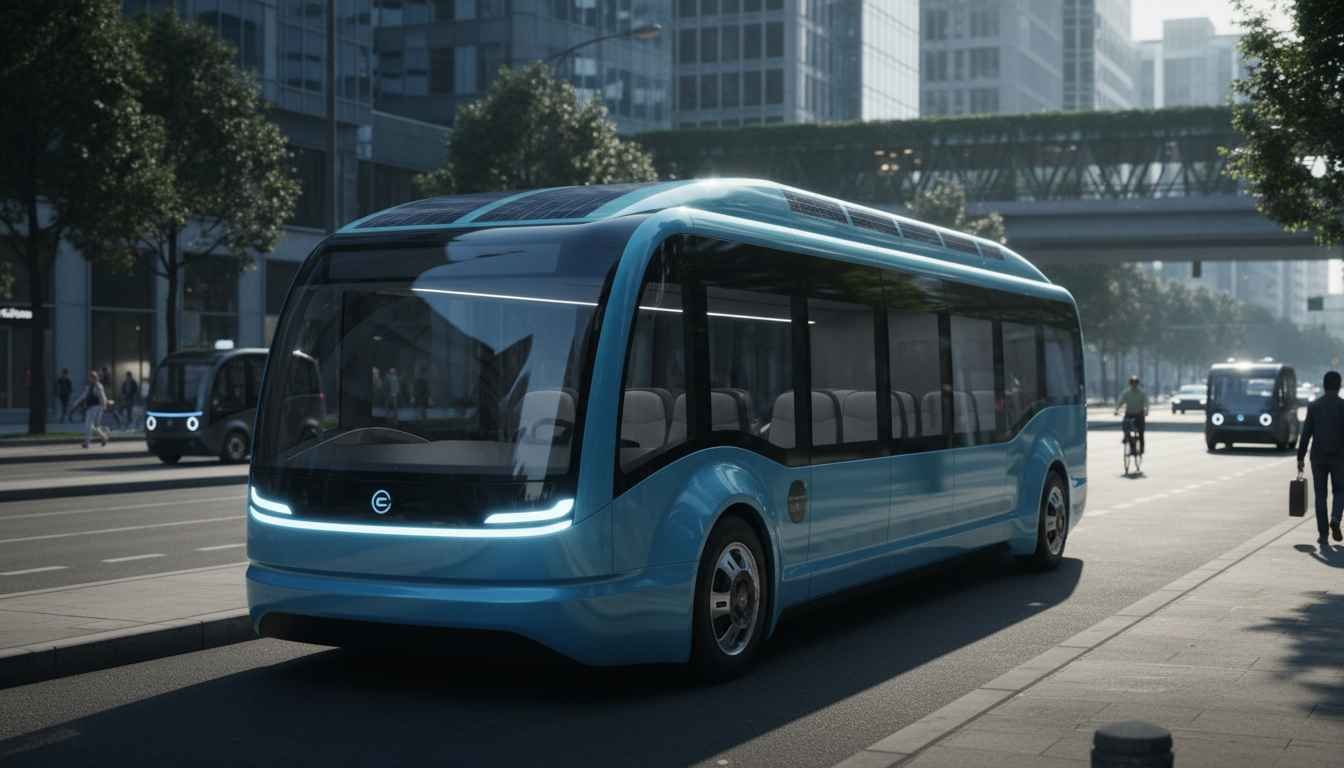
Most people are wrong about the simplicity of adopting blue transport solutions. While electric and low-emission vehicles promise sustainability, the operational and financial implications often go unnoticed. Companies diving into blue transport without proper analysis risk expensive mistakes, regulatory fines, and long-term inefficiencies.
Key Partners
Vehicle manufacturers, battery suppliers, and green energy providers form the backbone of blue transport partnerships. According to Dr. Elena Matthews, a sustainable automotive strategist, “Aligning with trusted suppliers reduces downtime and ensures compliance with evolving emission standards.” Neglecting these alliances can stall fleet transitions and inflate operational costs.
Key Activities
Adopting blue transport involves more than purchasing vehicles. Regular charging infrastructure maintenance, battery lifecycle monitoring, and staff training on electric vehicle operations are essential. Companies that underestimate these activities often face higher long-term costs and inefficient fleet utilization.
Value Proposition
Blue transport appeals to businesses seeking reduced emissions and enhanced corporate responsibility. Yet, the value proposition extends beyond eco-friendly branding. Efficient energy use, lower fuel costs over time, and potential tax incentives create tangible financial benefits. Businesses that fail to quantify these advantages may overinvest without measurable returns.
Customer Relationships
Maintaining trust with clients requires transparency about vehicle capabilities and service timelines. Companies offering blue transport services must communicate charging schedules, potential range limitations, and maintenance expectations. Mismanagement here risks eroding customer confidence and brand reputation.
Customer Segments
Urban logistics providers, delivery services, and environmentally-conscious corporations are prime candidates for blue transport adoption. However, small businesses with limited budgets or rural operators facing sparse charging networks may find the model impractical.
Key Resources
Critical resources include electric or hybrid fleets, skilled maintenance teams, and reliable charging infrastructure. Companies often overlook the hidden costs of energy storage solutions and replacement batteries. For practical guidance on vehicle acquisition, explore Ciocca Automotive, which offers a range of new and used cars suitable for transitioning fleets.
Channels
Distribution and service networks must adapt to electric vehicle requirements. Partnering with specialized service centers and digital fleet management platforms ensures efficiency and customer satisfaction. Ignoring channel adaptation can create operational bottlenecks and damage brand credibility.
Cost Structure
High upfront vehicle costs, infrastructure investments, and ongoing battery replacements dominate expenses. Careful financial modeling is essential to avoid unexpected losses. Businesses that fail to account for these variables may experience negative ROI for years.
Revenue Streams
Revenue arises from service contracts, fuel savings, and green incentives. Quantifying these streams accurately ensures sustainable business growth and prevents overreliance on marketing appeal alone.
Potential Drawbacks
Blue transport is not universally suitable. Companies in regions with unreliable charging networks, or those requiring heavy-duty, long-range vehicles, may face operational constraints. Moreover, battery degradation and disposal regulations add hidden costs that must be considered.
Glossary
Blue Transport: Vehicle systems focusing on low emissions, including electric and hybrid models.
ROI: Return on Investment, a measure of financial gain relative to cost.
Charging Infrastructure: Facilities and equipment needed to recharge electric vehicles.
