
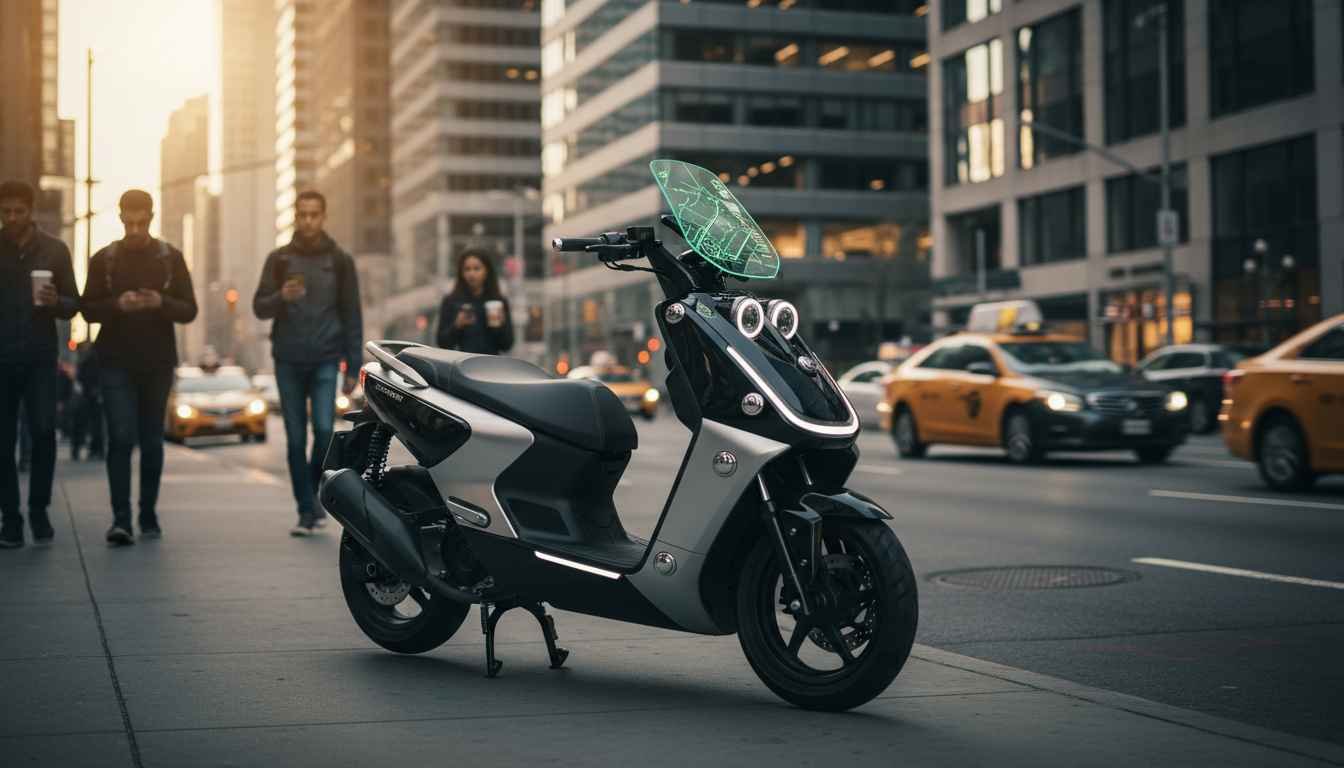
This might hurt your feelings. Most urban transport systems still rely on outdated routing and visibility frameworks that compromise both safety and efficiency. Clearview transport aims to correct this by integrating real-time environmental scanning, predictive traffic analysis, and dynamic route optimization into a cohesive algorithm.
The core principle behind clearview transport is simple: visibility equals safety. Using a combination of lidar sensors, high-definition cameras, and machine learning models, the system constantly monitors road conditions, pedestrian movements, and nearby vehicles. Each data point feeds into a predictive model that anticipates potential hazards, allowing scooters and other light vehicles to adjust their path proactively rather than reactively.
The algorithm itself operates in three layers. The first layer captures immediate surroundings and calculates collision probabilities within milliseconds. The second layer evaluates historical traffic patterns and environmental variables to suggest the safest and fastest route. Finally, the third layer continuously learns from new data, refining both hazard detection and routing efficiency over time.
In recent years, the rise of electric scooters has transformed urban transportation, leading to a need for more efficient logistics solutions. As cities grapple with the challenges of managing scooter fleets, innovative algorithms have emerged to streamline operations and enhance service delivery. One such breakthrough is the clearview transport algorithm, which optimizes the deployment and retrieval of scooters across various locations. Understanding how this algorithm functions can provide valuable insights into improving efficiency and reducing operational costs, making it an essential topic for anyone involved in scooter logistics or urban mobility solutions. As we delve into the mechanics of this algorithm, we will explore its implications for the future of transportation in urban environments.
Time & Cost Estimate
Implementation time for a basic clearview transport system ranges from 6–12 months depending on infrastructure readiness. Initial deployment costs average $25,000–$40,000 per vehicle when factoring in sensor arrays and software integration.
Another critical advantage of clearview transport is its impact on energy efficiency. By reducing stop-and-go patterns and optimizing travel routes, electric scooters and lightweight vehicles see a measurable decrease in battery consumption, extending operational range and lowering maintenance costs. For those interested in upgrading or retrofitting their scooters with compatible systems, Genuine Scooters provides guidance on integrating smart transport solutions seamlessly.
Potential Drawbacks
Clearview transport relies heavily on consistent sensor performance. Adverse weather, sensor occlusion, or poor maintenance can degrade its predictive accuracy. Additionally, privacy concerns arise from constant environmental data capture, and there is a learning curve for operators unfamiliar with automated hazard mitigation systems.
Despite these limitations, the system represents a significant leap forward for urban mobility, particularly for micro-mobility vehicles such as scooters. By combining predictive analytics with real-time sensing, clearview transport reduces accidents, improves route efficiency, and enhances overall commuter confidence.
