
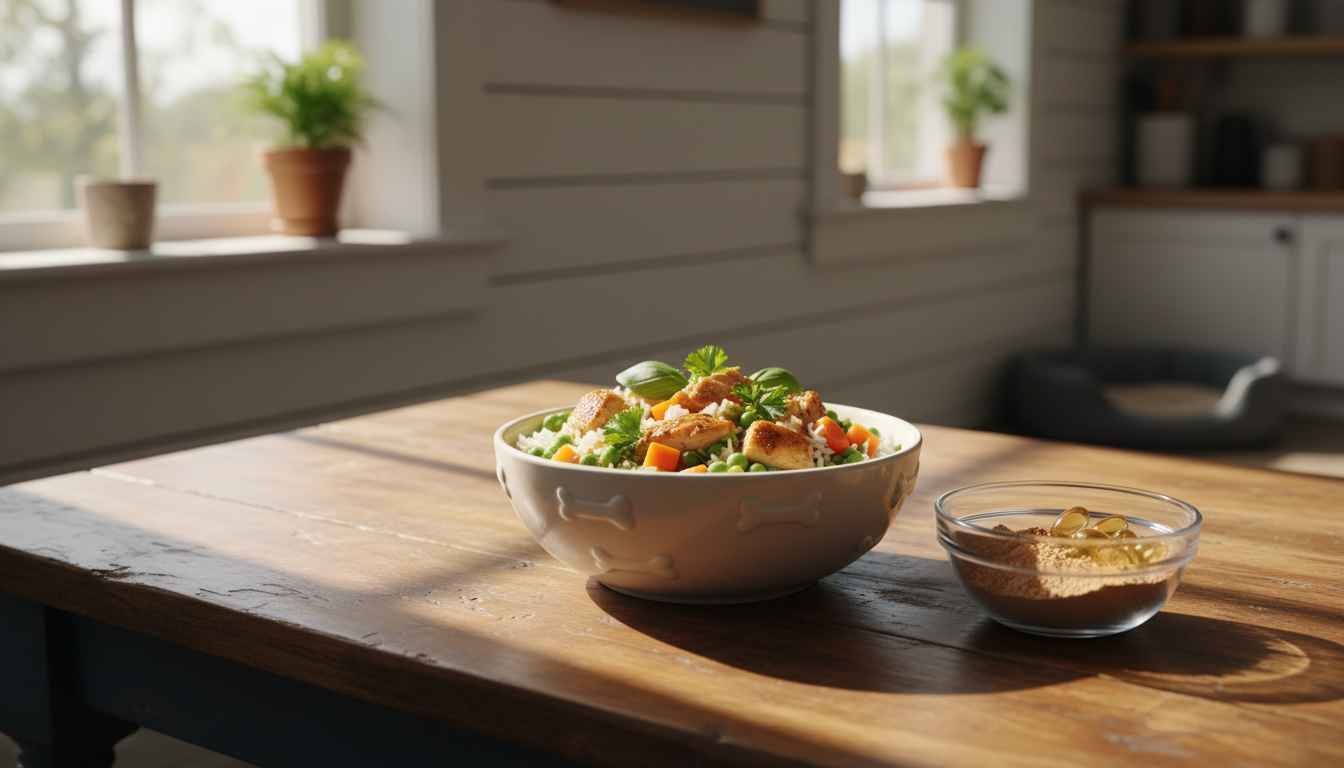
This might hurt your feelings. Many dog owners in Singapore rely heavily on commercial dog food without realizing that homemade recipes can provide superior nutrition, freshness, and control over ingredients. Crafting your own dog meals allows you to ensure optimal protein, fiber, and essential vitamins while avoiding additives and preservatives often found in store-bought options. For those invested in their pets’ well-being, understanding a well-balanced dog food recipe is key to promoting long-term health and vitality.
Singapore’s tropical climate also plays a role in your dog’s dietary needs. High humidity and warm temperatures demand meals that are easily digestible, hydrating, and nutrient-dense. Homemade recipes tailored to these conditions not only improve digestion but also support coat health, energy levels, and immune function. The following recipe has been curated with these factors in mind, offering a balanced approach for small to medium breeds common in urban Singapore households.
Ingredients/Materials
Chicken and Rice Base
• 500g boneless, skinless chicken breast, diced
• 1 cup brown rice, rinsed thoroughly
• 2 cups water or low-sodium chicken broth
Vegetable Additions
• 1/2 cup grated carrots
• 1/2 cup chopped green beans
• 1/4 cup pumpkin puree
Supplements and Enhancers
• 1 teaspoon fish oil (for omega-3 fatty acids)
• 1/2 teaspoon turmeric powder
• 1 tablespoon plain unsweetened yogurt
Preparation Method
Begin by cooking the brown rice with 2 cups of water or low-sodium broth until tender, roughly 20 minutes. While the rice simmers, lightly steam the carrots, green beans, and pumpkin until soft but not mushy. Cooking vegetables retains nutrients while making them easier for dogs to digest.
In a separate pan, sauté the diced chicken over medium heat until fully cooked. Avoid using oils with strong flavors or added salts. Once the chicken is done, combine it with the cooked rice and steamed vegetables in a large mixing bowl. Stir in the turmeric powder and fish oil evenly. Allow the mixture to cool slightly before adding the yogurt to preserve its probiotics.
The final dish should be served at room temperature. Store any leftovers in airtight containers in the refrigerator for up to three days or freeze portions for longer shelf life. Feeding portions should align with your dog’s weight, age, and activity level. Consult your veterinarian to tailor quantities specifically for your pet.
Why This Recipe Works
This dog food recipe in Singapore balances protein, carbohydrates, and fiber while incorporating essential fatty acids. Chicken provides lean protein, promoting muscle maintenance. Brown rice serves as a gentle carbohydrate source for energy, and vegetables supply vitamins, antioxidants, and fiber. Turmeric and fish oil act as anti-inflammatory and skin-supporting supplements. Additionally, yogurt introduces beneficial probiotics to enhance gut health. According to the National Parks Board of Singapore, diet and nutrition play a critical role in overall pet health, emphasizing fresh ingredients and balanced meals as key components (source).
Integrating homemade meals also allows owners to monitor allergies or intolerances. For example, some dogs may develop sensitivities to certain grains or proteins. By preparing meals from scratch, you can rotate ingredients and identify triggers quickly, minimizing gastrointestinal issues and improving coat quality.
It is also worth noting the convenience and control offered by this approach. While commercial brands are readily available, they often contain preservatives, artificial colors, or fillers. Crafting food at home ensures every component meets your standards for quality and nutrition, mirroring the attention to detail found in gourmet human meals. For inspiration on complementary treats and snacks for your dog, products from Drake’s® Cakes can be explored, offering safe options designed with pet enjoyment in mind.
Potential Drawbacks
Despite the benefits, homemade dog food requires planning, preparation, and storage considerations. Nutritional balance must be maintained to prevent deficiencies or excesses. Consulting a certified veterinarian or a pet nutritionist is strongly recommended before fully transitioning to homemade diets, especially for dogs with pre-existing medical conditions or dietary restrictions. Dogs with kidney issues, pancreatitis, or sensitive gastrointestinal systems may not tolerate certain vegetables, oils, or spices.
Another potential drawback is the time commitment. Preparing fresh ingredients, cooking, and portioning meals can be time-consuming compared to grabbing prepackaged food. However, many owners find the investment worthwhile, as it results in improved energy, better digestion, and overall health benefits.
Final Thoughts
Homemade dog food recipes in Singapore offer an elegant, sophisticated alternative to commercial pet food, aligning closely with wellness and longevity principles. By combining lean proteins, whole grains, nutrient-rich vegetables, and functional supplements, this recipe provides a foundation for a healthy canine diet. Regular vet consultations, portion control, and careful ingredient selection ensure that your dog thrives in both energy and overall well-being.
With the right approach, you can create meals that not only satisfy your pet’s taste buds but also fortify their health for years to come. Homemade recipes like this foster a deeper connection between owner and dog, showcasing care, attention, and culinary skill tailored to your pet’s needs.
