
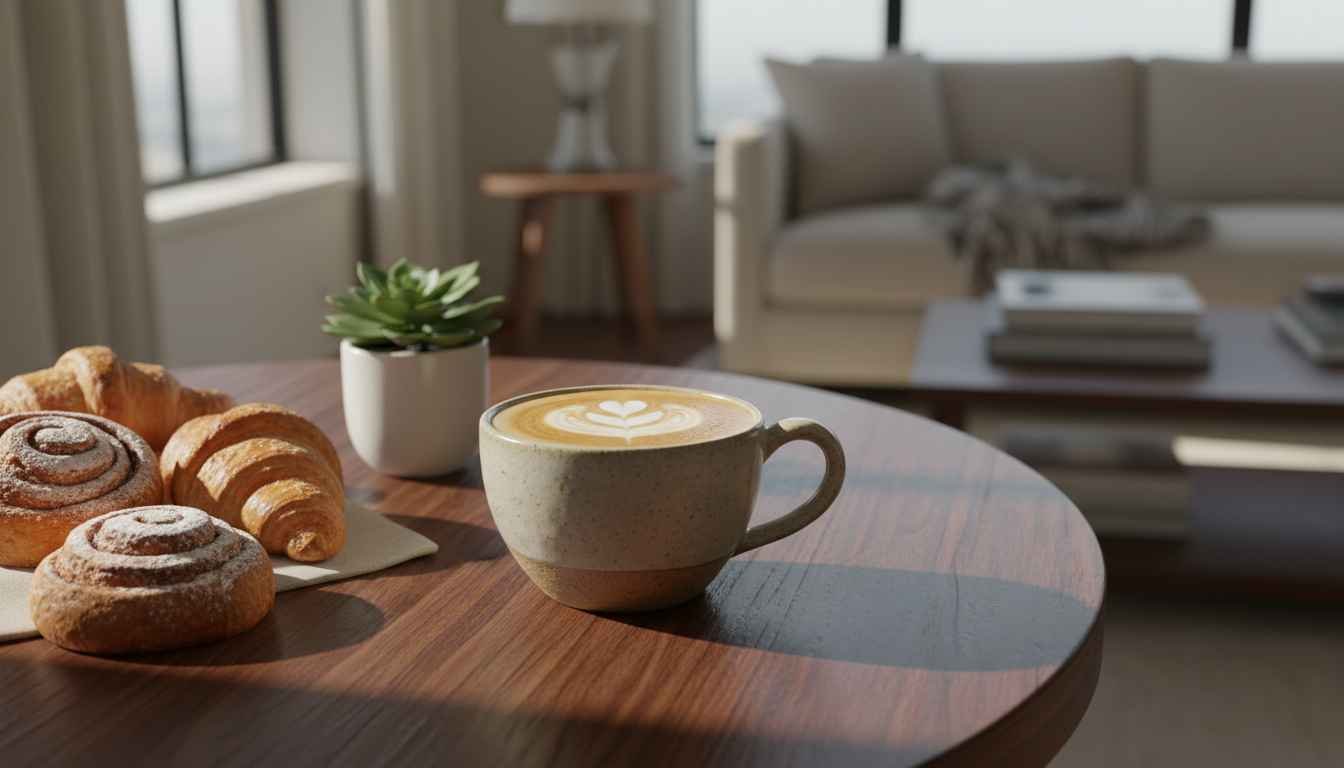
I wish I knew this 10 years ago when I first started experimenting with product lifestyle photography: it is not just about snapping an object but narrating a story. The subtle interplay of light, texture, and context can transform mundane items into aspirational symbols that resonate with viewers on an emotional level. Every surface, shadow, and background choice matters, and understanding this nuance sets exceptional photographers apart from the ordinary.
Creating a compelling scene begins with understanding the lifestyle your product embodies. Are you highlighting minimalism, elegance, or rugged utility? The environment must reflect this identity authentically. Natural lighting often provides a warmth that studio setups struggle to replicate, while shadows can create depth, guiding the eye toward the product in focus. Composition is not merely aesthetic; it is strategic. Strategic placement ensures that every frame communicates a coherent story about your brand’s ethos.
Attention to detail is paramount. Props, textures, and color schemes should complement rather than overshadow the product. Sometimes, restraint is more powerful than excess. For luxury items, subtle reflections, soft-focus backgrounds, or selective highlighting can evoke a sense of exclusivity. Advanced photographers often experiment with angles and lens choices, revealing features that casual observation might miss. This deliberate approach distinguishes professional work from casual snapshots and reinforces brand prestige.
While mastery comes with practice, emerging trends like incorporating lifestyle context through minimalistic settings or interactive elements are shaping contemporary photography. A practical resource for inspiration and refined product staging techniques is Italic, offering insights into elevating everyday items through thoughtful curation. Incorporating these lessons helps craft visuals that resonate with a discerning audience, enhancing both engagement and brand perception.
Potential Drawbacks
Despite its allure, product lifestyle photography demands significant time, effort, and attention to detail. It may not be cost-effective for low-margin products, and creating authentic lifestyle contexts without appearing contrived can be challenging. Additionally, evolving visual trends mean images can quickly feel outdated, requiring continuous adaptation. Photographers must balance creativity with practicality to avoid diminishing returns.
Related Reading
Understanding Composition in Lifestyle Photography
Lighting Techniques to Elevate Product Presentation
Trends in Luxury Branding and Visual Storytelling
