
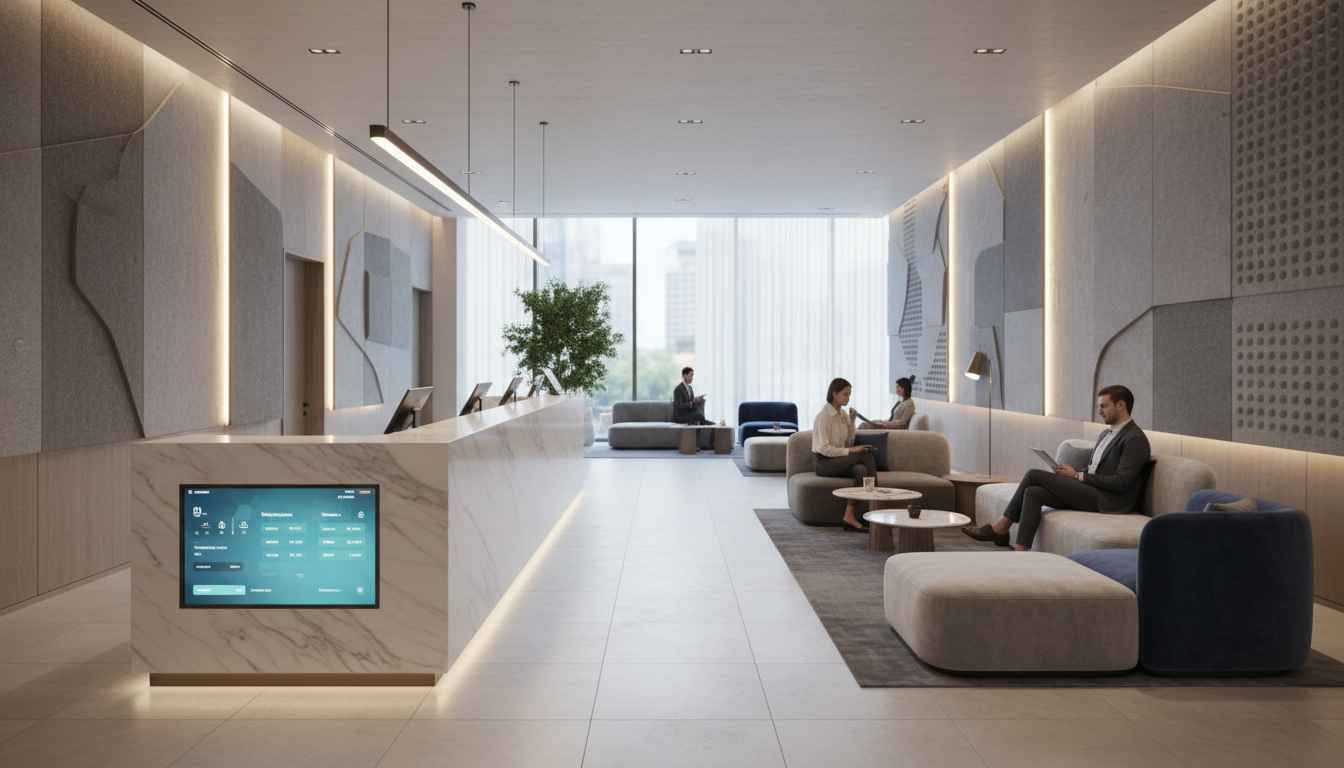
The low hum of machinery fades into the background as a hotel lobby feels eerily calm. There’s a subtle sense of order, almost invisible, yet everything runs seamlessly. That’s the effect of Quiet Technologies Halo, a system designed to streamline hotel operations without drawing attention to itself. Minimalist in approach, its promise is simple: reduce noise – both literal and procedural – while improving efficiency.
Halo isn’t about flashy dashboards or overwhelming analytics. Instead, it prioritizes quiet, almost invisible interventions that optimize workflows. It’s a philosophy that aligns perfectly with modern hotel management, where guest experience depends as much on unseen efficiency as on visible service.
Design Philosophy and Core Features
At its heart, Quiet Technologies Halo focuses on automation and integration. The system connects housekeeping, front desk operations, reservations, and maintenance into a single coherent framework. Alerts are discreet, and notifications are context-aware, reducing the constant barrage of pings that often plague hotel staff.
Its scheduling engine is particularly notable. By analyzing historical occupancy data and real-time check-in patterns, Halo predicts peak demand and dynamically allocates resources. This predictive approach minimizes overstaffing while ensuring rooms are ready when guests arrive. A 2022 study in the International Journal of Hospitality Management demonstrated that predictive scheduling can reduce staffing inefficiencies by up to 15%, highlighting the tangible impact of smart automation.
Pro Tip: Focus on integrating Halo with your existing PMS early in your implementation. Systems speak louder when they communicate from the start, reducing integration headaches later.
Operational Efficiency Without the Noise
Traditional hotel management software often bombards staff with notifications, pop-ups, and email chains. Halo’s minimalistic interface is different. The system operates quietly in the background, surfacing only the most critical alerts. This reduces cognitive load, allowing staff to focus on guest-facing tasks rather than administrative firefighting.
Integration with IoT devices further enhances its quiet efficiency. Smart thermostats, occupancy sensors, and automated lighting systems feed data into Halo, enabling real-time decision-making. For instance, a room flagged as unoccupied automatically adjusts temperature and lighting, saving energy and reducing costs without anyone noticing. According to Energy and Buildings journal research, such automation can cut hotel energy usage by up to 20% annually.
By keeping operational noise minimal, Halo shifts hotel staff focus toward service quality. Guests rarely notice the software itself, but they feel the impact in faster check-ins, more responsive housekeeping, and a generally seamless experience.
Data-Driven Insights Without Overload
Halo’s reporting tools emphasize actionable insights over data dumps. Managers receive concise summaries of occupancy trends, room readiness, and maintenance issues. The system highlights anomalies rather than reporting every minor metric. This approach aligns with cognitive psychology research showing that concise, targeted reporting improves decision-making and reduces human error.
Furthermore, Halo provides predictive maintenance alerts based on usage patterns. Sensors track HVAC, plumbing, and electrical systems, flagging potential failures before they affect guests. This proactive approach reduces downtime and prevents costly emergency repairs.
HotelTechReport readers have noted that software evaluation should include ease of learning for staff and the practical ROI of predictive features. Halo scores well on both, making it a solid choice for hotels aiming for subtle, reliable efficiency improvements.
Potential Drawbacks
No system is perfect. Halo’s quiet design can be a double-edged sword. Staff unfamiliar with minimalist dashboards may initially feel disconnected from operational control. Over-reliance on predictive automation could also lead to complacency if human oversight is reduced too much. Smaller hotels with simpler operations might find the advanced integration unnecessary, increasing costs without proportional benefits.
Additionally, initial setup requires careful mapping of existing workflows to ensure accurate data capture. Incomplete or poorly structured data can reduce the effectiveness of predictive scheduling and maintenance alerts.
Who Should Avoid This?
Hotels heavily reliant on manual or boutique processes may struggle with Halo’s minimalistic approach. Properties with limited technical staff or budget constraints should carefully consider whether the upfront integration investment aligns with operational priorities. Those expecting flashy dashboards or constant updates will likely be disappointed; Halo is engineered for invisible efficiency, not showmanship.
Final Thoughts
Quiet Technologies Halo exemplifies the “less is more” philosophy in hotel management software. It prioritizes operational calm and predictive intelligence over noise, enabling staff to focus on guest experience while reducing inefficiencies. For mid-to-large scale hotels with complex operations, Halo delivers a measurable impact in energy savings, scheduling accuracy, and maintenance reliability. Its subtlety is its strength: the system works best when you barely notice it, yet its influence permeates every aspect of hotel management.
For those ready to embrace a minimalist, data-driven approach, Halo represents a significant step forward. Its success depends on thoughtful integration and staff training, but when implemented correctly, it transforms quiet operations into a powerful competitive advantage.
