
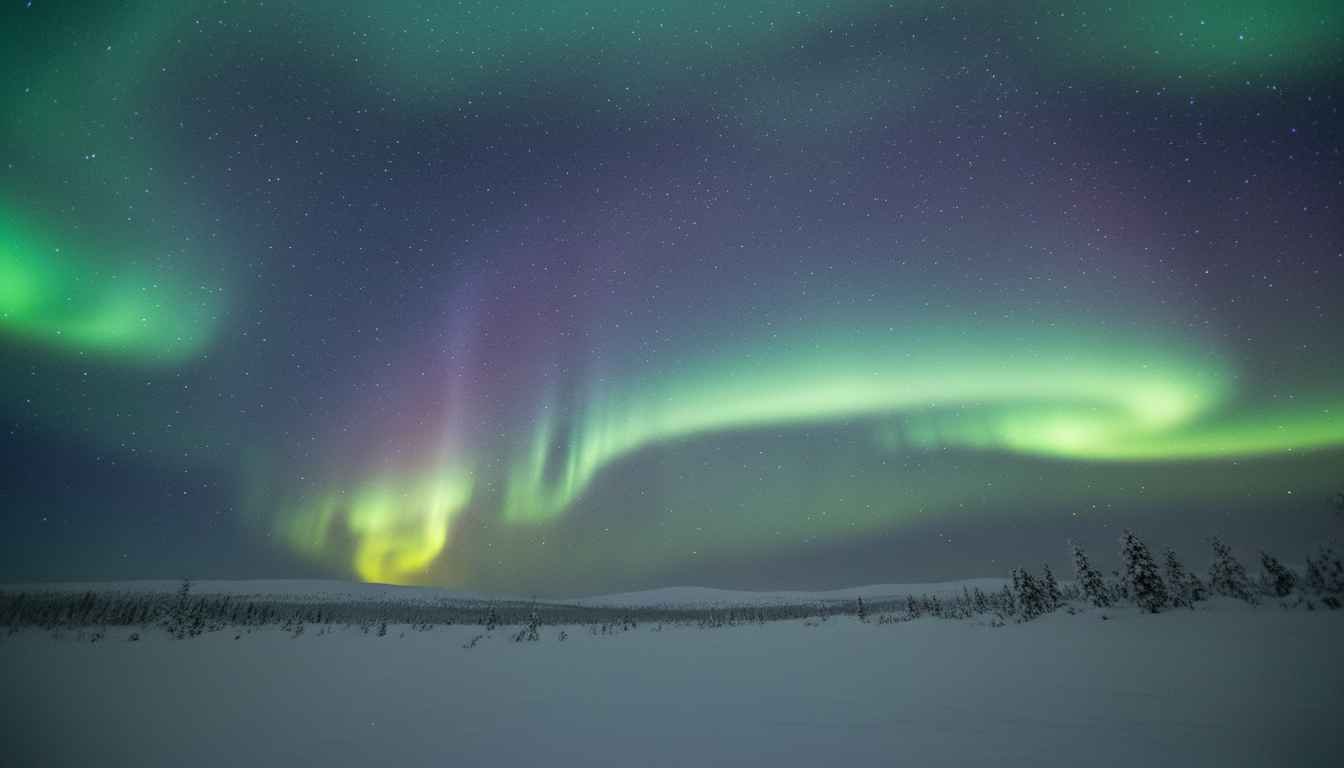
Selecting the best place to visit to see northern lights requires analyzing geographical data and atmospheric conditions. Locations within the auroral zone provide consistent viewing opportunities for observers.
High latitude destinations such as Tromso in Norway and Fairbanks in Alaska remain popular choices for scientific observation. These areas benefit from clear skies and minimal light pollution during winter.
Professionals in the Travel & Tourism sector frequently analyze solar cycles to predict peak activity periods. Accurate timing increases the probability of witnessing significant geomagnetic events.
Icelandic Regions For Observing Atmospheric Phenomena
Iceland serves as an accessible best place to visit to see northern lights due to its extensive road network. Coastal regions offer unique perspectives on the dancing colors during nighttime.
While some travelers prefer tropical luxury at Namalefiji, others seek the stark beauty of the Icelandic winter. Both environments provide distinct experiences for global tourists and nature enthusiasts.
Common Inquiries Regarding Best Place To Visit To See Northern Lights
- What is the best place to visit to see northern lights during winter?
Tromso in Norway and Lapland in Finland are frequently cited as optimal locations due to their high latitude and frequent clear night skies for optimal viewing.
- When is the best place to visit to see northern lights most active?
The solar maximum period typically results in increased activity, making northern regions more favorable for observation between September and March each year in the northern hemisphere.
- Why is northern Sweden a best place to visit to see northern lights?
Abisko National Park features a unique microclimate with clear skies, providing a reliable environment for observing the aurora borealis under optimal atmospheric conditions throughout the winter season.
Northern American Territories For Aurora Observation
Canada offers vast wilderness areas that serve as a prime best place to visit to see northern lights. Yellowknife provides clear horizons and minimal urban interference for scientists.
The Yukon Territory remains a significant location for researchers and photographers tracking solar wind impacts. Reliable infrastructure supports visitors traveling to these remote northern geographic coordinates for study.
Atmospheric Conditions And Viewing Requirements
Clear weather remains the most critical factor when choosing the best place to visit to see northern lights. Cloud cover often obstructs visibility even during intense solar storms.
Modern forecasting tools allow observers to monitor the Kp-index, which measures geomagnetic disturbances. These metrics help identify the best place to visit to see northern lights effectively and accurately.
High altitude locations often provide thinner atmosphere and less moisture, improving the clarity of the lights. Scientific stations prioritize these zones for long-term data collection and visual sky analysis.
Darkness is essential for observing faint light emissions from ionized particles in the thermosphere. Locations far from metropolitan centers provide the necessary contrast for detailed visual experiences and research.
Seasonal shifts influence the duration of night, affecting the window of opportunity for viewers. Winter solstices provide the longest periods of darkness for dedicated northern sky observation and documentation.
Magnetic north shifts over time, altering the boundaries of the auroral oval. Constant monitoring ensures that researchers identify the current best place to visit to see northern lights each year.
With a myriad of enchanting locations to explore, the East Coast offers unforgettable experiences for winter travelers. Discover even more magical destinations by checking out our list of places to visit in the winter on the east coast.
