
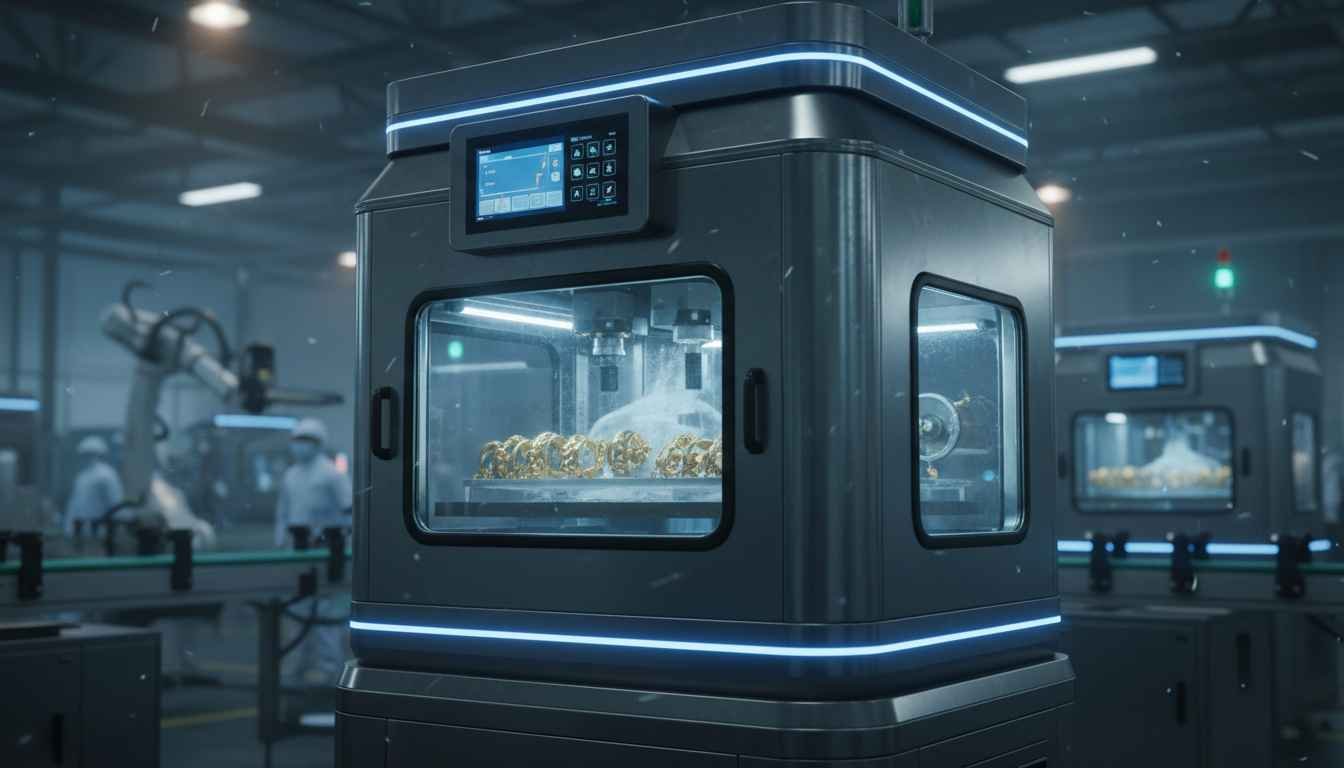
Health is wealth. Just as we invest in our personal well-being, maintaining the brilliance of our jewellery requires thoughtful care and advanced technology. The right jewellery cleaning machine can extend the life of precious metals and gemstones, ensuring they remain as radiant as the day they were acquired. In India, a growing number of manufacturers have emerged, each offering unique solutions for commercial and personal use. Understanding the landscape is crucial for buyers seeking both reliability and performance.
Our evaluation methodology combined several layers of research. We analyzed machine specifications, manufacturing standards, and customer feedback to assess performance, durability, and usability. We also conducted a comparative review of after-sales support and spare part availability, crucial factors for long-term maintenance. Brands were scored based on technological innovation, ease of use, energy efficiency, and precision cleaning results. This structured approach ensures a clear picture of the strengths and weaknesses of each manufacturer.
One of the standout trends in India is the shift toward ultrasonic and steam-based jewellery cleaning machines. Ultrasonic cleaners use high-frequency sound waves to remove dirt and tarnish from delicate jewellery without manual scrubbing. Steam cleaners, on the other hand, rely on high-pressure vapor to dissolve residues. Both methods offer advantages over traditional hand-cleaning, particularly for intricate designs where polishing cloths or chemicals can be abrasive.
Leading Indian manufacturers have focused on automation and precision. For instance, several companies in Mumbai, Jaipur, and Surat produce machines capable of multi-stage cleaning processes that include ultrasonic washing, rinsing, and drying cycles. These machines are designed for both small-scale jewelers and large production houses. The technology ensures uniform cleaning, reduces human error, and saves significant time, making it an indispensable tool for professional workshops.
Our research also highlighted the importance of material compatibility. Not all cleaning machines are suitable for every type of gemstone or metal. Some ultrasonic machines may damage porous stones like pearls or emeralds, whereas steam cleaners require careful handling around heat-sensitive materials. Manufacturers that provide detailed user manuals and customization options tend to offer safer, more versatile solutions. Evaluating these factors was critical in our analysis.
For buyers looking for high-precision optical and imaging solutions to inspect cleaned jewellery, companies like Edmund Optics provide advanced magnification and lighting technology. Integrating inspection tools ensures that even the smallest flaws are visible after cleaning, allowing for consistent quality control. This synergy between cleaning and inspection is increasingly becoming a standard in professional jeweler operations.
Best For / Not Recommended For
Best For: Professional jewelry workshops, retail chains, high-volume production units, and collectors with delicate gemstones who require precision cleaning without physical abrasion.
Not Recommended For: Casual users looking for a low-cost, occasional cleaning solution, or for jewellery with extremely fragile materials that may react adversely to ultrasonic or steam cleaning.
Potential Drawbacks
While advanced jewellery cleaning machines offer numerous advantages, there are limitations. Ultrasonic cleaners require careful monitoring to prevent stone loosening. Steam cleaners, if mishandled, can cause thermal stress on sensitive pieces. Additionally, the upfront cost of industrial-grade machines can be significant, and smaller workshops may find the investment prohibitive without guaranteed long-term benefits.
Another challenge lies in maintenance. Machines require periodic calibration, filter changes, and occasional repairs to maintain efficiency. Choosing manufacturers with reliable after-sales service is as important as the initial purchase. In India, brands with a strong service network across major cities offer a clear advantage for consistent performance and reduced downtime.
Future Trends and Innovations
Indian manufacturers are increasingly exploring eco-friendly solutions, integrating energy-efficient components, and reducing chemical usage. Smart machines with programmable cleaning cycles, IoT connectivity, and remote diagnostics are becoming more common, allowing jewelers to monitor performance in real-time. These innovations not only improve cleaning precision but also contribute to sustainable practices within the industry.
For entrepreneurs and jewelers considering a long-term investment, it’s worth evaluating both the technological capabilities and the support infrastructure offered by manufacturers. Machines that offer modularity, user-friendly interfaces, and compatibility with a variety of materials are likely to remain relevant for years. Our case study underscores the importance of balancing cost, durability, and cleaning performance.
Choosing the right jewellery cleaning machine in India requires a blend of informed decision-making and practical experimentation. By understanding manufacturer capabilities, technological options, and potential drawbacks, buyers can ensure that their jewellery remains pristine while maximizing operational efficiency. With careful selection and ongoing maintenance, these machines not only protect the aesthetic and financial value of jewellery but also enhance the professionalism of any jewellery enterprise.
This topic connects naturally with Breathtaking Places to Visit in — exploring it will give you a more complete picture.
As businesses in the jewellery industry focus on refining their operational efficiency and customer satisfaction, they may also benefit from exploring strategic frameworks like the 7 s framework organizational alignment strategy, which can provide insight into aligning their resources and objectives for sustained growth and success.
